Author Archives: Max Liboiron

The Perils of Ruin Porn: Slow Violence and the Ethics of Representation

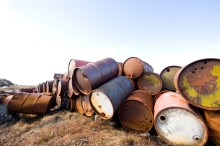
The main argument against cinematic, photogenic images of ruination is that they can work against revitalization, and obscure systemic problems that cause certain patterns of ruination and harm.

Discard Studies at the Association of American Geographers Conference (April 2015)

This year the AAG’s annual meeting is in Chicago from April 21-25. The schedule shows that presentations on discard studies at an all time high.

Researcher Activism: The Gutting of Discard Science in Canada and the Write2Know Campaign

Being able to identify the materials in waste, its location, and its effects are the first steps in making decisions about waste. But all three of those abilities have been “gutted” by the Canadian federal government’s “war on science.”

CFP: “Faking It:” Counterfeits, Copies, and Uncertain Truths in Science, Technology, and Medicine

We invite colleagues to join us for a two day symposium at the University of California, Berkeley on “faking it”–here construed broadly as fudging, imitating, juking, playing the trickster, pretending, feigning, re-creating, manipulating, falsifying.

CFP: Special issue on Depollution

In a forthcoming special issue, S.A.P.I.EN.S will publish a range of articles that review recent advances at the frontiers of pollution and depollution of air, water and soil, with a particular focus on cities and brownfield regeneration.

A Methodology for Investigating Cityness through Waste

How do you study cityness through waste? Cityness has been used to describe both “how urban citizens give meaning to the city they live in and how this creation of meaning alters the way the city is represented” and as “an instrument to capture something that otherwise might easily get lost: types of urbanity that are non-Western.”

Special Issue on International Chemicals Regulation Following the Minamata Convention

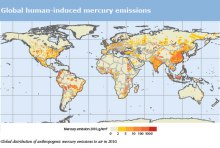
Legal frameworks are one main way through which chemicals are defined: terms of harm, responsibility, and circulation, some of the defining features of pollution, are debated, agreed upon, and codified in legal forums. The Minamanta Convention on Mercury is the first environmental agreement in a decade to set these terms across nations.

A Cabinet of Curiosities for the Anthropocene

The Anthropocene is just one among many moments in time when new scientific objects have altered humanity’s relationship to the past, present, and future. Scientific objects such as fossils, radioactivity, genetic mutations, toxic pesticides, and ice cores, to name a few, have precipitated different narratives and imaginings of the human past and the human future. What might a cabinet of curiosities for the age of the Anthropocene look like?

Grassroots Mappping: Waste

Public Lab publishes a magazine on “cutting edge techniques in hacking environmental science” called the Grassroots Mapping Forum, and the newest edition is on waste, highlighting waste methodologies that are accessible, inexpensive, and democratic: the premises of citizen science.

Top Ten Discard Studies posts

Discard Studies is four years old! Here are our top 10 posts of all time: