
Abjection: A definition for discard studies
Abjection describes a social and psychological process by which things like garbage, sewage, corpses and rotting food elicit powerful emotional responses like horror and disgust.
Abjection describes a social and psychological process by which things like garbage, sewage, corpses and rotting food elicit powerful emotional responses like horror and disgust.

Through a series of interrelated programs, Producing Waste/Producing Space seeks to locate points of intersection between the study of waste and strategies for waste in space.

Originally posted on The Disorder Of Things:
Sent from Taipei, the penultimate post in a container ship ethnography. More here. ? An APL vessel heads out of the port of Hong Kong On our thirteenth day at sea, after having been battered by 6 meter waves and snow, gale-force winds and storm, having watched the ship’s…

We invite colleagues to join us for a two day symposium at the University of California, Berkeley on “faking it”–here construed broadly as fudging, imitating, juking, playing the trickster, pretending, feigning, re-creating, manipulating, falsifying.

In a forthcoming special issue, S.A.P.I.EN.S will publish a range of articles that review recent advances at the frontiers of pollution and depollution of air, water and soil, with a particular focus on cities and brownfield regeneration.

The 40 most influential environmental justice conflicts in recent American history are now included in a Global Atlas of Environmental Justice. In the United States, decades of research have documented a strong correlation between the location of environmental burdens and the racial/ethnic background of the most impacted residents.

How do you study cityness through waste? Cityness has been used to describe both “how urban citizens give meaning to the city they live in and how this creation of meaning alters the way the city is represented” and as “an instrument to capture something that otherwise might easily get lost: types of urbanity that are non-Western.”

Hessler’s inadequate portrayal of Cairo’s trash tales also comes with some disconcerting ethical issues. In writing about Sayyid, Hessler draws attention to people and things that are often ignored. But besides producing an interesting story, what risks are associated with making the invisible visible?
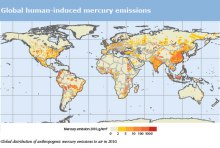
Legal frameworks are one main way through which chemicals are defined: terms of harm, responsibility, and circulation, some of the defining features of pollution, are debated, agreed upon, and codified in legal forums. The Minamanta Convention on Mercury is the first environmental agreement in a decade to set these terms across nations.
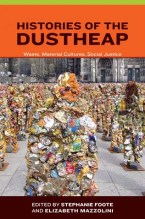
The key question of this collection is political. It asks what the analysis of garbage, of the materiality of the dustheap, contributes to our understanding of human social relations and political aspirations. Three key themes structure this text: subjectivity, place and cultural contradiction. Each is developed in such a way as to demonstrate the political tensions and struggles that are embodied in efforts to dispose of waste. Of these, the last is perhaps the most well developed through the volume as a whole, providing a point of unity for the other essays.

 Discard Studies