Monthly Archives: March 2016

Refusal as Research Method in Discard Studies

Ethnographic refusal is a practice by which researchers and research participants together decide not to make particular information available for use within the academy. Its purpose is not to bury information, but to ensure that communities are able to respond to issues on their own terms.

Dumpster Diving at the World’s Largest Particle Accelerator

This is where the creative process foundational to science, fixing, and hacking come together. Rather than making more of the same, whether it’s in science or technology, the scientists, artists, and engineers at GOSH push boundaries, exceed norms, and open up possibilities. Trash is one avenue towards that goal.

The Politics of Recycling vs. Reusing

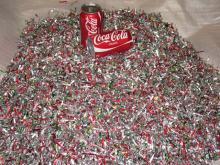
Calling reuse “recycling” a common and seemingly simple mistake, yet it is extremely important to differentiate between the two for political and environmental reasons.

Toxic Symposium on Exposure, Entanglement, and Endurance: A Summary in Tweets

Toxics: A Symposium on Exposure, Entanglement, and Endurance was heralded as “the most important conversation on body burdens yet.” See the Twitter version of that conversation here.

Municipal versus Industrial Waste: Questioning the 3-97 ratio

We do not have an idea of the quantity of non-household solid waste produced in North America. When we do have ideas of (sub)quantities, we do not have good classifications, so we do not know what we are quantifying.