Category Archives: Activism

Building DIY citizen science technology to see invisible marine plastics

We’ve been working on the problem of making tiny, often invisible marine plastics visible through do-it-yourself (DIY) technologies. You can build your own and investigate your local environment.


Dumpsters, difference, and illiberal embodiment

Food Not Bombs and endeavors like it, I would argue, also create the conditions to queer categories of embodiment like race, class, and sex and interrogate their privileged incorporation by prevailing markets, publics, and institutions, cultivating emergent spaces of embodiment, contact, and collaboration across difference.

Toxic Politics: A Collection of Research Projects

The global economy produces pervasive contaminants, harmful pollutants, damaging particles, and poisonous atmospheres, which are inescapably part of everyday life, though the harms and benefits are unevenly distributed. In the face of these conditions and challenges, people have been creating new forms of politics. The following collection of abstracts highlights research projects on toxic politics, providing a snapshot of the state of the field from around the world.

“The Dregs of the Library”: Trashing the Occupy Wall Street Library

When our library at Occupy Wall Street was destroyed, we used our beloved books tactically, as evidence, and then used the trauma of destruction to make a case for the illegitimacy of the violence committed when the library was destroyed. How do we voice and give and hear testimony when things we care for that are discarded?

Food Banks: Canned Justice or Fuel For activism?

By Aaron Vansintjan. How the food industry made waste ‘benevolent’. Food Banks: Canned Justice or Fuel For activism?

How the Ocean Cleanup Array Fundamentally Misunderstands Marine Plastics and Causes Harm

The road to hell is paved with good intentions. The Ocean Cleanup array, designed to clean plastics from the ocean like a baleen whale, is one of these good intentions: experts in marine plastics, including myself, say it’s a bad idea.Technological fixes like the Array do harm to the larger project of ending plastic pollution, which is a complex social, environmental, and economic problem. It is also going to damage and kill marine life.

Researcher Activism: The Gutting of Discard Science in Canada and the Write2Know Campaign

Being able to identify the materials in waste, its location, and its effects are the first steps in making decisions about waste. But all three of those abilities have been “gutted” by the Canadian federal government’s “war on science.”

Map of 40 most influential environmental justice conflicts in the US

The 40 most influential environmental justice conflicts in recent American history are now included in a Global Atlas of Environmental Justice. In the United States, decades of research have documented a strong correlation between the location of environmental burdens and the racial/ethnic background of the most impacted residents.

Special Issue on International Chemicals Regulation Following the Minamata Convention

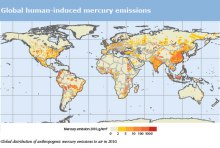
Legal frameworks are one main way through which chemicals are defined: terms of harm, responsibility, and circulation, some of the defining features of pollution, are debated, agreed upon, and codified in legal forums. The Minamanta Convention on Mercury is the first environmental agreement in a decade to set these terms across nations.

New Article Alert! Power, Quiescence, and Pollution: The Suppression of Environmental Grievances

There’s a new article in Social Currents by Thomas Shriver, Alison Adams, and Chris Messer, “Power, Quiescence, and Pollution The Suppression of Environmental Grievances.” It looks at the specific mechanisms by which quiescence, the state of quietness or inactivity, is fostered in the face of power inequalities around local industrial pollution.